Storing a Second Car in Cyprus While Working Abroad
A growing number of Cyprus residents divide their working lives between the island and assignments overseas. Whether you are on rotational contracts in the Arabian Gulf, working maritime shifts, or spending prolonged periods consulting across Europe, leaving a home base behind requires careful logistics. For households with two vehicles, deciding what to do with the spare car is often an afterthought until the departure date approaches.
Leaving an unattended car on an exposed driveway or a residential street in Cyprus presents real challenges. Intense solar radiation, seasonal dust, and the mechanical toll of prolonged inactivity can quickly degrade a vehicle. Taking deliberate steps before you fly out will save you substantial time and maintenance costs upon your return.
The Risks of Prolonged Vehicle Inactivity
Vehicles are engineered to be driven regularly. When a car sits stationary for months at a time, several components deteriorate far more rapidly than they would under daily driving conditions:
- Battery discharge: Modern vehicles run background electronics, immobilisers, and tracking units continuously. Without the alternator running, a healthy battery can discharge completely within four to six weeks, leading to cell damage that prevents it from holding a charge again.
- Tyre flat-spotting and UV decay: When parked in one position under high ambient temperatures, the weight of the car causes tyres to develop flat spots. Direct sunlight also degrades the rubber compounds, resulting in sidewall cracking.
- Paint and interior damage: The Cyprus sun generates intense cabin heat, which can warp dashboards, degrade upholstery seams, and cause headliners to sag. On the exterior, high UV levels oxidise clear coats and bake dust into the paint.
- Fluid stagnation: Engine oil settles, internal seals dry out, and condensation can accumulate in fuel tanks that are left half-empty.
Preparing the Car for Extended Storage
A few hours spent prepping your second car prior to departure will prevent unexpected breakdowns when you land back at Larnaca. Begin with a thorough clean inside and out. Remove any organic material, food crumbs, and plastic bottles from the interior, as cabin heat accelerates decay and attracts pests. A quality wax or paint sealant will provide an essential sacrificial barrier against atmospheric fallout and sun damage.
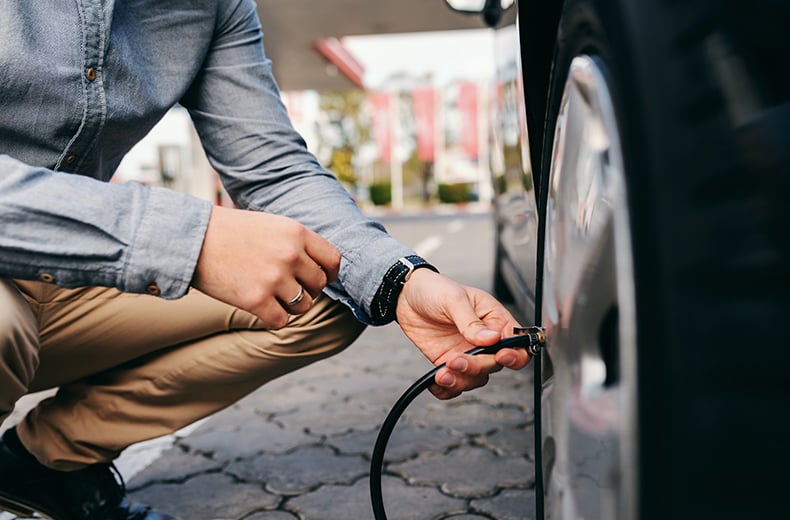
Check all fluid levels before putting the vehicle to rest. If you anticipate being away for six months or longer, consider changing the engine oil beforehand; old oil contains acidic combustion by-products that can pit internal engine surfaces over time. Inflate your tyres to their maximum recommended pressure as indicated on the door jamb, which helps counteract flat-spotting while the car sits still.
Selecting the Right Storage Arrangement
Leaving keys with neighbours or family members to run the car intermittently works for some, but it imposes an ongoing chore and carries insurance complications if something goes amiss. Relying on an unattended street spot leaves the vehicle vulnerable to accidental bumps, theft, and dust storms.
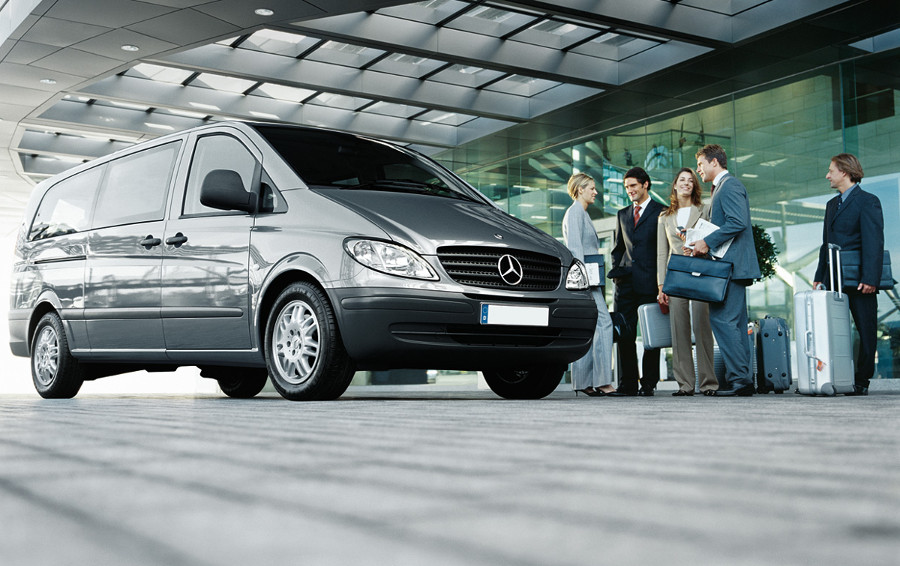
A dedicated parking facility near Larnaca International Airport provides a dependable middle ground. Rather than organising a taxi to the terminal while your spare car sits in an open driveway across town, you can drive your second vehicle straight to the compound before your outbound flight. From there, a free shuttle transfer takes you directly to the departures area at any hour of the day or night, coordinated with your flight schedule.
Choosing the correct shelter type is particularly important for long stays. While standard open-air compounds keep vehicles within fenced, gated, and CCTV-monitored perimeters, exploring our services will show you options for covered parking or fully indoor parking. Shielding a second car from direct Mediterranean sunlight and coastal air keeps exterior plastics supple and preserves paintwork far better than leaving it exposed to the elements.
For owners away on extended rotations, arranging periodic maintenance checks makes a noticeable difference. Opting for a professional wash before pickup ensures you return to a clean vehicle rather than a dust-covered one, and requesting a basic diagnostic check-up can identify low battery voltages or tyre pressure losses before you start your drive home.
Straightforward Planning Before You Fly
Arranging your parking in advance ensures a smooth transition on departure day. You can secure a bay weeks or months ahead through the booking page, selecting the exact shelter type suited to the length of your trip, with the flexibility to pay at the reception desk using either card or cash upon arrival.
Managing a second car while working abroad does not require elaborate procedures. By cleaning the car thoroughly, adjusting tyre pressures, and placing it within a managed, secure facility protected from the sun, you ensure your transport remains in roadworthy condition and ready for the tarmac the moment your return flight touches down.