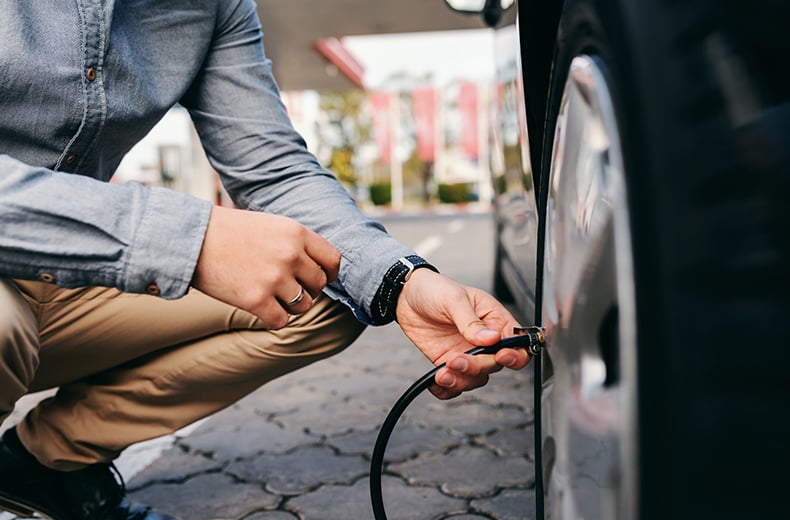
Tyre Pressure for Long-Term Parking: Essential Checks
Preparing for a trip from Larnaca International Airport often involves meticulous planning: flights, accommodation, and, of course, secure parking for your vehicle. While you might focus on packing your suitcase, an often-overlooked aspect of preparing your car for long-term parking is its tyre pressure. Ensuring your tyres are correctly inflated before you leave can save you time and hassle when you return, ready to drive home.
At Larnaca Airport Parking, we understand the importance of a smooth experience from drop-off to pick-up. Our fenced, gated, and CCTV-monitored premises, along with our 24/7 shuttle transfers, are designed to give you peace of mind. Taking a few moments to check your tyre pressure adds another layer of preparedness.
Why Tyre Pressure Matters for Stored Vehicles
Tyres naturally lose air pressure over time, even when a vehicle is not being driven. This process is gradual, but over several weeks or months of being stationary, the cumulative effect can be significant. Under-inflated tyres can lead to several problems:
- Reduced Fuel Efficiency: Once you start driving, under-inflated tyres increase rolling resistance, meaning your engine has to work harder, consuming more fuel.
- Increased Wear and Tear: Improperly inflated tyres wear unevenly, shortening their lifespan and potentially requiring earlier replacement.
- Compromised Handling and Safety: The vehicle's handling characteristics can be negatively affected, especially during braking or cornering, posing a safety risk.
- Flat Spots: For very long periods of storage, tyres can develop 'flat spots' where the part of the tyre in contact with the ground temporarily deforms. While often temporary, severe cases can lead to vibrations and an uncomfortable ride until the tyre fully recovers its shape.
By ensuring correct tyre pressure before you park, you mitigate these risks, ensuring your car is ready for the road the moment you collect it.
How to Check Your Tyre Pressure
Checking your tyre pressure is a straightforward process that takes only a few minutes. Here’s a simple guide:
1. Find the Recommended Pressure
Your vehicle's recommended tyre pressure can typically be found on a sticker inside the driver's side door jamb, in the glove compartment, or within your car's owner's manual. It will usually specify different pressures for the front and rear tyres, and sometimes for a fully loaded vehicle. Pay attention to whether the recommendation is for 'cold' tyres (i.e., before the car has been driven for more than a mile or two).
2. Use a Reliable Tyre Pressure Gauge
Digital gauges are often more accurate than traditional stick gauges. Make sure your gauge is functioning correctly.
3. Check All Four Tyres (and the Spare)
Unscrew the valve cap and firmly press the gauge onto the valve stem. Read the pressure displayed. If the pressure is too low, add air until it matches the recommended level. If it's too high, gently press the centre pin on the valve stem to release air until you reach the correct pressure. Don't forget to check your spare tyre too, as it's often overlooked but crucial in an emergency.
4. Re-fit Valve Caps
Once adjusted, securely replace all valve caps to prevent dirt and moisture from entering the valve stems.
Taking these small steps before you drop off your car with us at Larnaca Airport Parking can make a noticeable difference to your return journey. We are here to make your travel as stress-free as possible, providing secure parking and reliable transfers for every flight.
For those looking for additional care for their vehicle, we also offer a range of optional services, including car washes and vehicle diagnostic checks, allowing you to return to a car that's not only securely parked but also refreshed. When you're ready to arrange your parking, you can easily book online.
A quick tyre pressure check is a minor task with major benefits, ensuring your vehicle is in optimal condition when you pick it up, ready for a safe and efficient drive home.