Cyprus Weather and Your Parked Car: What Heat and Dust Do
Cyprus is famous for its generous sunshine, with well over 300 cloudless days each year. While that climate is a blessing for holidaymakers, it presents distinct challenges for unattended motor vehicles. Whether you are leaving your car for a long weekend or heading abroad for several weeks, parking in the Mediterranean climate means dealing with environmental factors far harsher than those found in cooler northern climates.
Most motorists evaluate vehicle wear in terms of mileage and engine running hours. Yet a parked car is constantly interacting with the environment around it. In Cyprus, the combination of intense ultraviolet (UV) radiation, high ambient temperatures, airborne dust, and coastal sea air can cause noticeable cosmetic and mechanical degradation if left unaddressed.
The Toll of Relentless Sun and Intense Heat
Summer temperatures across the island frequently exceed 35°C, and surface temperatures on dark metal panels can easily surpass 60°C. Under this level of direct radiation, clearcoats and exterior paintwork suffer first. UV light gradually breaks down the chemical bonds in vehicle paint, leading to oxidation, fading, and a chalky finish, particularly on horizontal panels such as the bonnet and roof.
Inside the cabin, the effect is often amplified. The greenhouse effect can drive interior temperatures past 70°C. Over time, this extreme heat dries out vinyl dashboards, causing them to warp or crack. Leather upholstery loses its natural moisture and becomes brittle, while plastic clips and fittings turn fragile. Furthermore, the rubber weather strips around your doors and windows soften and degrade, compromising their ability to seal out water and wind noise once cooler weather arrives.
Heat also takes a quiet toll under the bonnet. Many drivers associate flat batteries with freezing winter mornings, but excessive summer heat actually causes battery fluid to evaporate much faster, accelerating internal corrosion and reducing overall service life. When you return from a trip, an already weakened battery may struggle to turn the starter motor.
Saharan Dust and Coastal Air
Sun is not the only factor at play in Cyprus. Several times a year, prevailing winds carry fine sand and mineral dust from North Africa across the Mediterranean. This Saharan dust settles over vehicles in a thick blanket. While it looks harmless, the dust consists of microscopic mineral particles that act like sandpaper against your clearcoat. Wiping a dusty windscreen or bonnet with a dry cloth can cause micro-scratches and swirl marks that dull the vehicle’s gloss over time.
When dust combines with high humidity or the morning dew common in coastal areas like Larnaca, it creates an abrasive paste. If left on the paintwork under baking midday sun, these minerals can etch into the lacquer. In addition, proximity to the sea introduces microscopic salt particles into the air. While modern vehicles feature zinc coatings and corrosion inhibitors, any existing stone chips or scratched paint surfaces can rapidly begin to oxidise when exposed to moisture and salt air.
Practical Ways to Guard Your Car
Protecting your vehicle while you travel does not require complicated measures, but it does call for a little foresight. Consider the following steps before leaving your car parked for an extended duration:
- Shield the interior: Use a reflective windscreen sunshade to block direct sunlight from entering the cabin. This keeps dashboard temperatures lower and protects electronic displays.
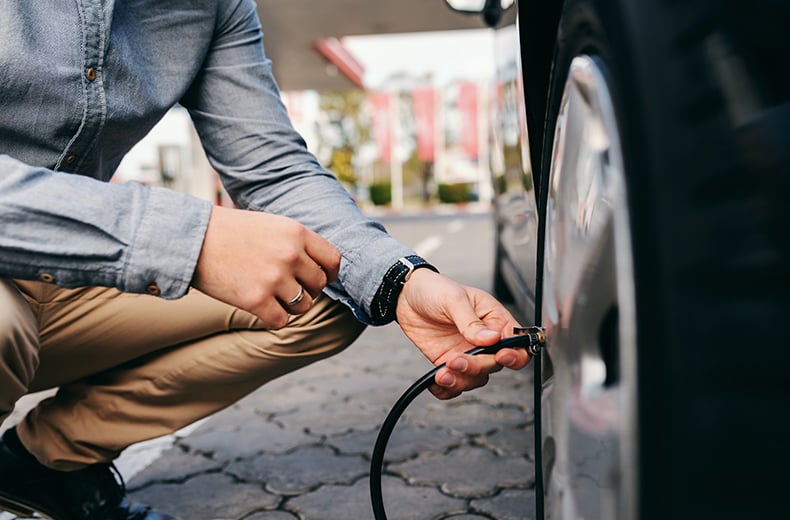
- Check fluid levels and tyre pressures: Tyre pressure naturally increases with heat, but under-inflated tyres driven on hot asphalt beforehand can overheat quickly. Ensure fluids are topped up so cooling systems are ready for your drive home.
- Select covered or indoor spaces: Keeping the vehicle out of direct sunlight dramatically reduces UV degradation and shields paint from dust storms.
- Wash and protect the paintwork: Applying a coat of wax or sealant before long parking spells provides a sacrificial barrier against both dust and coastal air.
If you would prefer your vehicle to stay sheltered while you are away, exploring our services can help you choose between open-air, covered, and fully indoor secure bays. We also offer options like vehicle check-ups and exterior washes, so you can clear away settled dust before heading home. You can reserve the space that suits your travel plans directly through the booking page ahead of your journey.
Ultimately, weather is an unavoidable part of island life, but simple preventative habits go a long way. Checking tyre conditions, shielding vulnerable cabin surfaces, and keeping paint clean will ensure that your vehicle remains in sound condition, ready to drive away without trouble no matter what the Cyprus skies deliver.